

Stacy Stanley | November 10, 2026 | Personal Injury
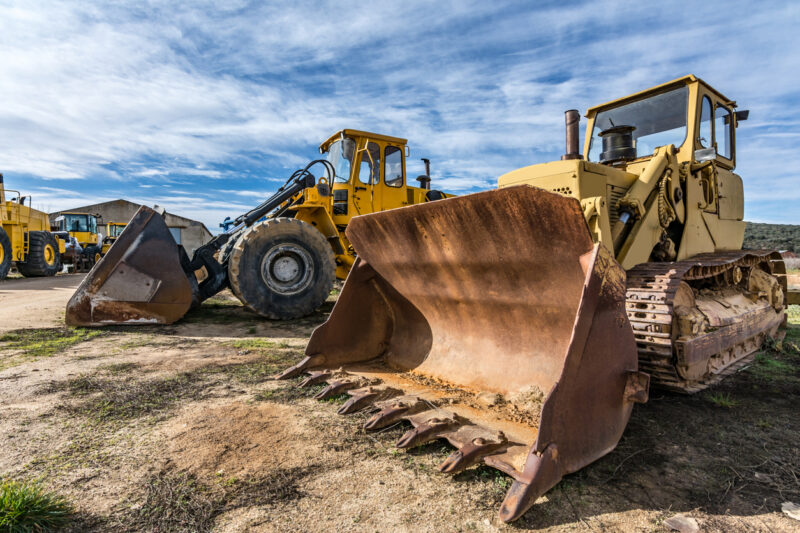
Heavy equipment operators are in high demand throughout South Carolina. Most industrial workplaces need them, including construction sites and ports. These skilled workers operate bulldozers, excavators, cranes, loaders, and backhoes, to name a few.
If you are interested in this career, you have options. However, it requires training, industry certifications, and a strong commitment to workplace safety.
South Carolina generally does not require a separate state license to operate heavy equipment on private job sites. However, operators may need a commercial driver’s license (CDL) when driving certain qualifying commercial vehicles on public roads. Many construction companies and insurance providers also require specific certifications before allowing operators onto a site.
What Heavy Equipment Operators Do
Heavy equipment operators use large machinery to dig, lift materials, and prepare construction sites. Their roles depend on the specific machine used and may include excavating, trenching, clearing land, or moving heavy supplies. In South Carolina, operators work on road construction, building projects, shipping ports, and many other projects.
The job requires significant physical labor and technical training to ensure the work is done safely. Heavy equipment is a common source of injury and wrongful death when used improperly.
Education and Prerequisites
South Carolina does not require workers to have a college degree to operate heavy machinery. However, most employers look for candidates who meet the following basic requirements:
- A high school diploma or GED
- A valid driver’s license
- The physical stamina to use hand controls for extended periods and work outdoors
- The ability to pass a drug screening
- Basic mechanical skills and technical understanding
Some employers prefer or require a commercial driver’s license (CDL), particularly for operators who transport heavy equipment between job sites using qualifying commercial vehicles.
Heavy Equipment Operator Training Options
Completing a formal training program is the fastest way to achieve competence in operating heavy equipment. Program lengths range from a few weeks for basic certificates to two years for an associate degree.
South Carolina offers several training paths:
- Programs at technical colleges within the South Carolina Technical College System
- Private vocational schools specializing in construction equipment
- Union apprenticeship programs, such as those run by the International Union of Operating Engineers
- Paid, on-the-job training programs offered directly by employers
The most complete training combines classroom study on safety and machinery mechanics with practice operating real equipment.
Common Industry Certifications
South Carolina does not issue a state license for operating heavy equipment, but national certifications can make candidates more competitive.
Common certifications include:
- National Commission for the Certification of Crane Operators (NCCCO) credentials for crane operators
- Manufacturer-specific certifications from companies like Caterpillar, Komatsu, or John Deere
Federal OSHA regulations generally require operators of covered construction cranes to be properly trained, certified, or licensed and evaluated by their employers. Certain exceptions apply.
Workplace Injuries from Heavy Machinery
Even the most experienced operators face injury on job sites, not to mention other workers working near the equipment. If you or a family member suffered an injury from heavy machinery in South Carolina, you may be entitled to workers’ compensation benefits, even if you share fault for the incident. Workers’ compensation benefits may cover medical expenses, a portion of lost wages, and compensation for permanent disabilities, depending on the circumstances.
You may also be eligible to pursue a personal injury claim against a negligent third party who is not protected from liability under South Carolina workers’ compensation law.
These parties may include equipment manufacturers, independent contractors/subcontractors, and others. Third-party claims offer non-economic damages for your pain and suffering that are not available in standard workers’ comp cases.
Contact the North Myrtle Beach Personal Injury Lawyers at Stanley Personal Injury Lawyers for a Free Consultation
Operating heavy equipment comes with serious risks, even for workers who receive proper training and follow safety protocols. If you were injured in a heavy machinery accident in South Carolina, you may be entitled to compensation.
At Stanley Personal Injury Lawyers, we help injured workers understand their legal options and pursue compensation from responsible parties. Our legal team can investigate your accident, identify potential sources of compensation, and help you navigate a workers’ compensation or third-party personal injury claim.
For more information, please contact Stanley Personal Injury Lawyers to schedule a free consultation with a personal injury lawyer in North Myrtle Beach, Little River, Aynor, or across South Carolina.
We proudly serve Horry County and its surrounding areas.
Stanley Personal Injury Lawyers – Little River Office
3303 Hwy 9 E, Little River, SC 29566, United States
(843) 390-9111
Stanley Personal Injury Lawyers – North Myrtle Beach Office
By Appointment Only
1016 2nd Ave N Suite F, 2nd Floor, North Myrtle Beach, SC 29582
Stanley Personal Injury Lawyers – Aynor Office
By Appointment Only
604 8th Ave, Aynor, SC 29511